
In the late 70’s, The Brat was carving out its own place in the Los Angeles punk scene. For guitarist and songwriter Rudy Brat, punk wasn’t initially about a particular sound or look. Keep reading and watch the full interview with Rudy Brat and Alice Dee, the new frontwoman of the band.
Watch the interview:
Growing up in East L.A. and discovering bands at venues like the Hong Kong Cafe, Rudy Brat was drawn to something bigger.
“My introduction to punk rock was not so much the look or the sound,” Rudy told C². “It was more the attitude, the attitude of being different from everything else.”
That difference became part of The Brat’s identity.
While playing some of their earliest Hollywood shows, Rudy remembers audiences arriving with preconceived ideas about what an East L.A. band should look and sound like.
“I thought you guys were going to be like cholos,” Rudy recalled hearing before one show.
The Brat didn’t fit the stereotype. They wrote original songs, featured a female vocalist and developed a sound that stood apart from what audiences expected.
“Our uniqueness helped us survive,” Rudy said. “Nobody has forgotten us.”

From Backyard Shows to the Whisky
Like many bands born from the early L.A. punk scene, The Brat built its following DIY-style: backyard gigs, handmade flyers, record stores and whatever opportunities they could create themselves.
That eventually led to Hollywood, radio play and shows alongside artists who would become major names. Rudy remembers seeing the Ramones at the Whisky with Blondie opening, and The Brat would later share bills with bands including Dead Kennedys and R.E.M.
Success also brought one of the band’s biggest mistakes and lessons.
When Management Took Over
As The Brat gained momentum, Rudy says the band signed contracts that ultimately cost them creative control.
“We were young, and we signed stupid contracts,” he said.
After working independently, getting radio play and performing at venues like the Whisky, Rudy trusted an outside team that had recently worked on a major hit. The goal became finding The Brat its own breakthrough single.
Instead, Rudy says producers came and went, potential record deals were rejected in pursuit of something bigger, and the process “tore the band apart.”
There was one important thing Rudy kept: the music.
He saved multitracks, live cassettes and unreleased recordings, eventually using the archive to release material years later and keep The Brat’s legacy alive.

A New Chapter for The Brat
Today, that legacy continues with a new incarnation of The Brat featuring vocalist Alice Dee, who has her own history with the band’s music. As a teenager in the early ’90s, Alice played in a punk band that covered The Brat’s “High School.”
Decades later, she’s now singing those songs alongside Rudy Brat, and new members Reyes (drums), Steve (guitar), plus longtime members George (bass) and OG Rudy Brat (guitar).
When Alice joined, she asked whether she should try to replicate the band’s original vocal style.
Rudy’s response was simple: “No, be yourself.”
For Rudy, that’s part of what keeps The Brat alive. The songs don’t have to remain frozen in 1980. They can evolve, find new musicians and reach new audiences.
“You write these songs and then these songs take a life of their own,” he said.
More than four decades after The Brat first carved out its place in L.A. punk, Rudy is still following the philosophy that drew him to the scene in the first place: be different, stay creative and keep going.
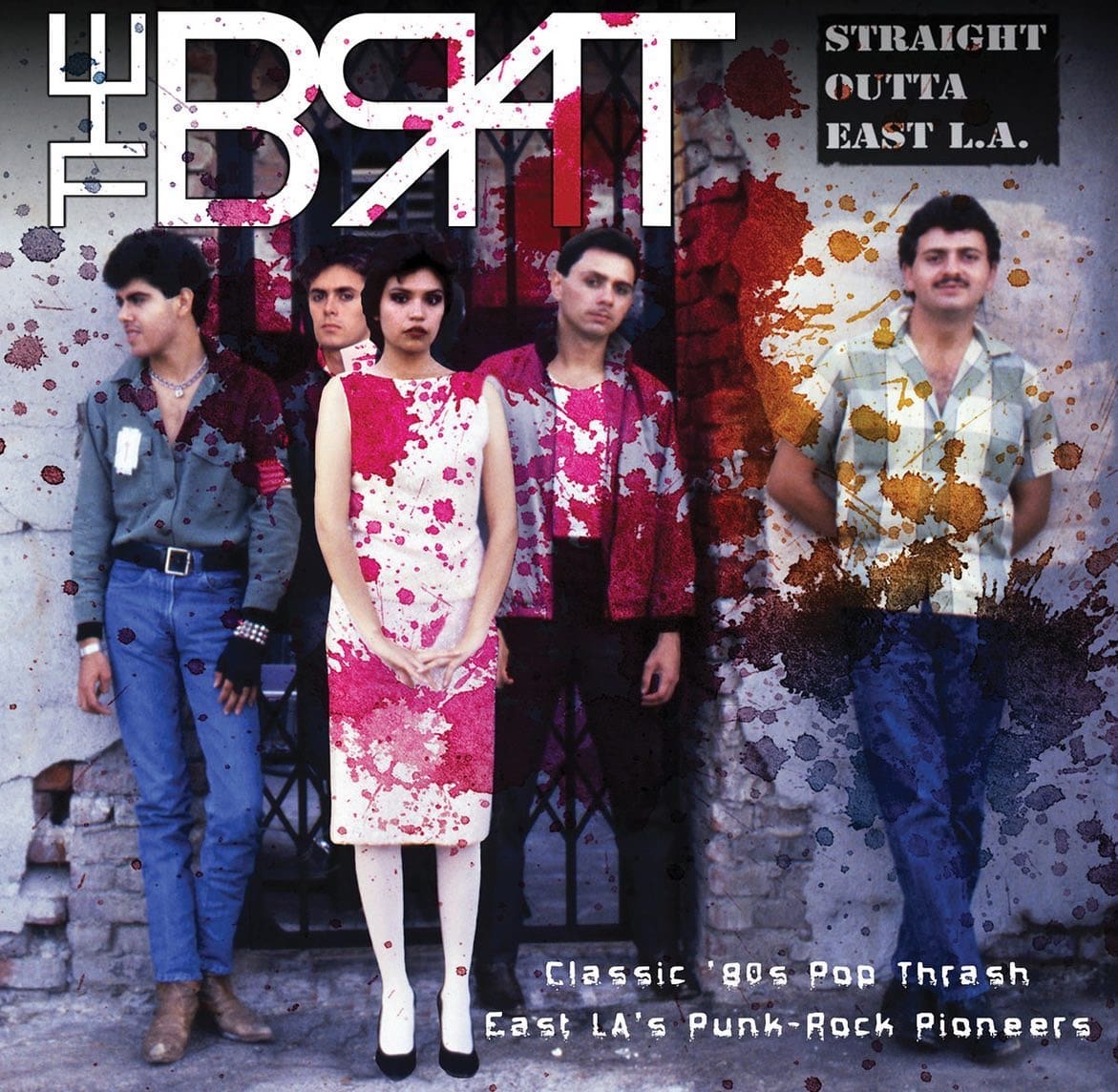
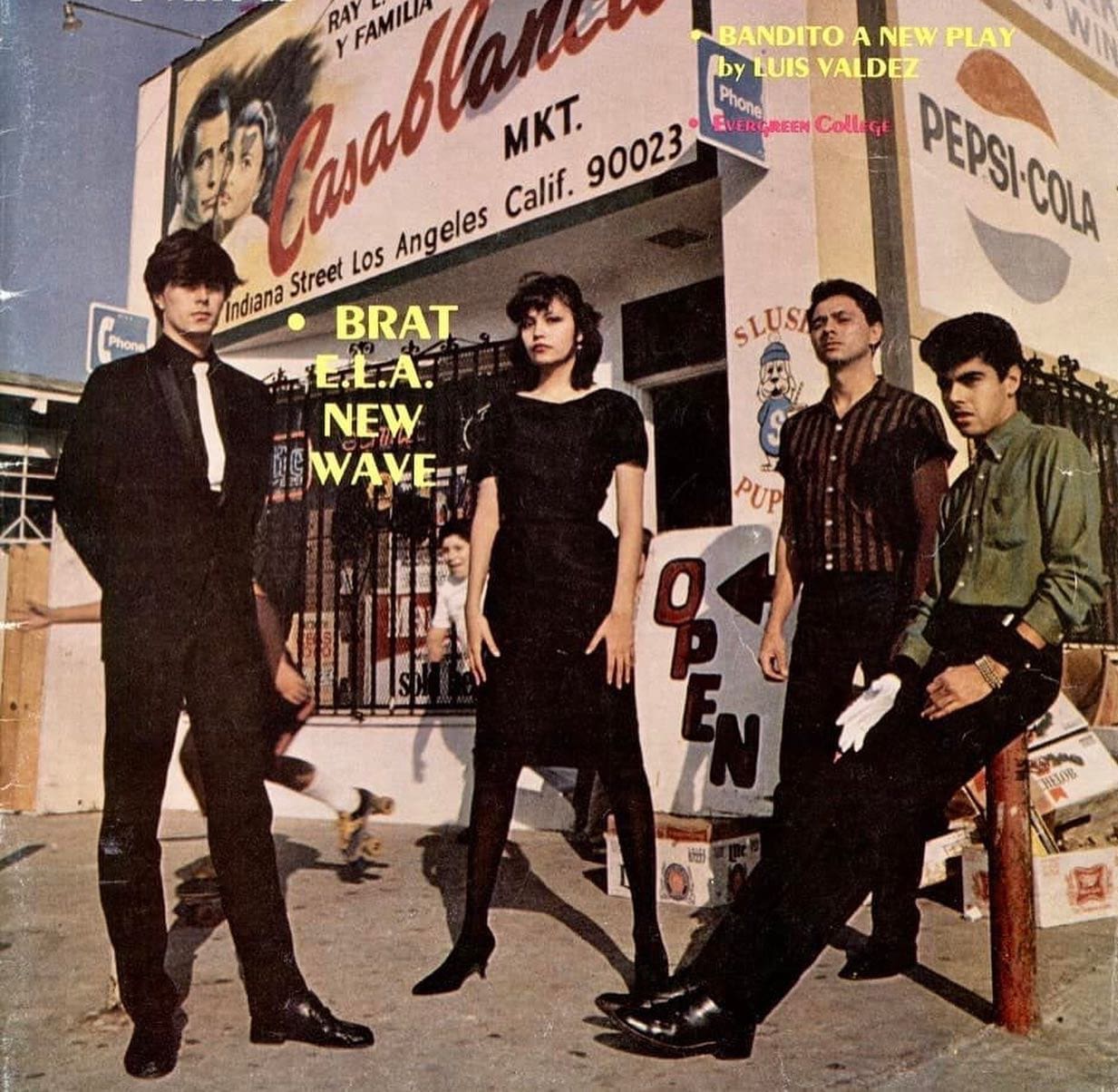
Check out the gallery below consisting of legacy photos from Daniel Villereal and Ann Summa



Upcoming highlights:
Check out the Rudy Brat Archive at Pitzer College on Sunday, 9/26/26
Follow the Brat:
Youtube: https://www.youtube.com/user/thebratofficial
Instagram: https://www.instagram.com/thebratofficial/
Spotify: https://open.spotify.com/artist/3VEpuBJqSgbYq8WwmX6tCS
About C² (Christy + Chris)
Concert lovers turned creators. Highlighting creators, bands, stories, sounds, and places you need to know.

Disarray Magazine is an independent media platform established in 2009, spotlighting rap, R&B, punk, hardcore, alternative culture, live music, food, nightlife, and the chaos in between. Created by journalist Christy Buena, C² exists to document the bands, people, and moments shaping the scene.



Leave a Reply